


Campsite near
Biarritz
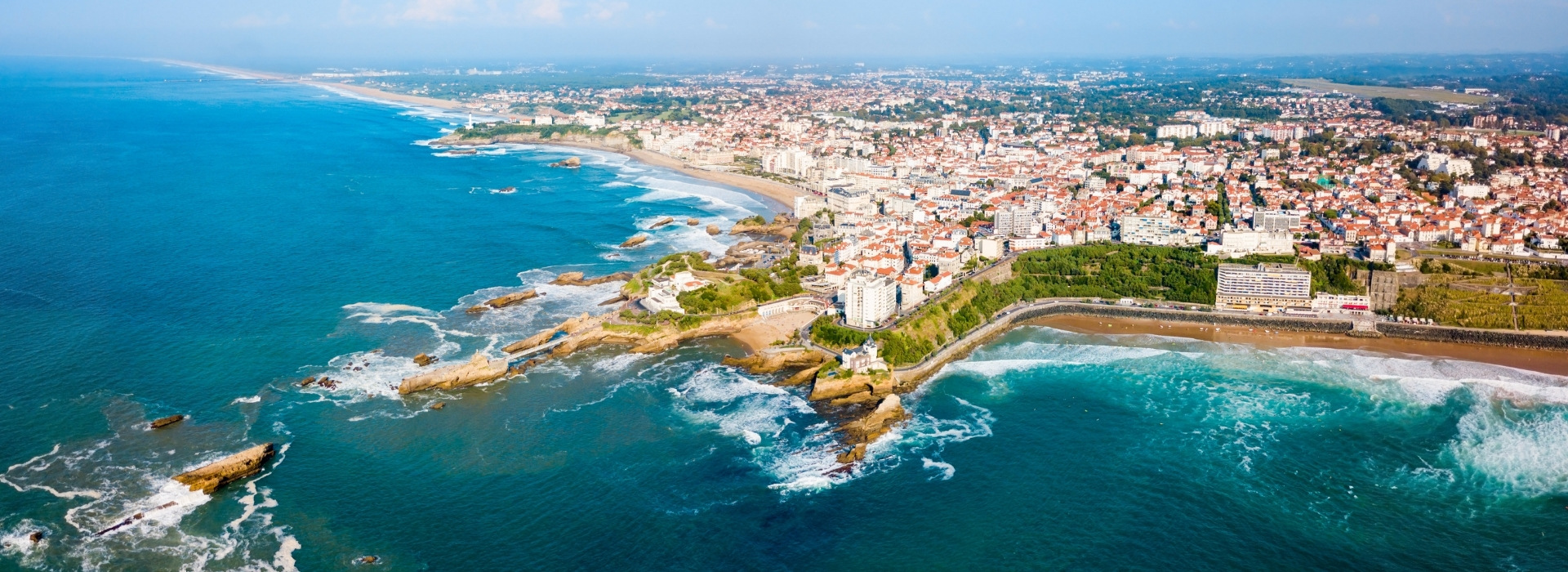
Just 10 kilometers from our Saint-Jean-de-Luz campsite, Biarritz is one of the must-visit destinations on the Basque coast. A seaside resort of international renown, Biarritz’s elegance, mythical beaches and history are closely linked to the crowned heads of Europe.
To visit Biarritz is to plunge into a world whereBelle Époque architecture rubs shoulders with surf culture, where ocean panoramas rival the richness of the town’s heritage. Between the Grande Plage, the Rocher de la Vierge, the fishermen’s port and the aquarium, there’s no shortage of things to do in Biarritz to enhance your stay in the Basque Country. To plan your visit, visit the official website of theBiarritz Tourist Office.
the cradle of surfing

Near the campsite: Biarritz
As early as the XVIIIᵉ century, the benefits of wave bathing on the Côte des Fous, which became the Grande Plage, gave Biarritz its first letters of therapeutic nobility. But it was the arrival of Empress Eugenie, wife of Napoleon III, that propelled the town to the rank of seaside resort prized by the European aristocracy.
Between 1876 and 1906, Biarritz’s population tripled. The town’s architecture bears witness to this: sumptuous villas, palaces and Art Deco buildings line the streets and seafront. The Villa Eugenie, destroyed by fire in 1903 and then rebuilt, became today’s Hôtel du Palais, a landmark of Biarritz tourism.
Today, Biarritz combines elegance and relaxation. The town is world-renowned as the cradle of surfing in Europe: it was here, on the Côte des Basques beach, that the first waves were tamed in the 1950s. Surf schools, surf stores and international competitions keep the town alive all year round.
Discover Biarritz from our campsite
Biarritz can be reached from the Itsas Mendi campsite by car, Txik Txak bus or even by bike via the Vélodyssée. One day is enough to discover the city’s emblematic sites, but you’ll definitely want to come back!
The Grande Plage and the Côte des Basques
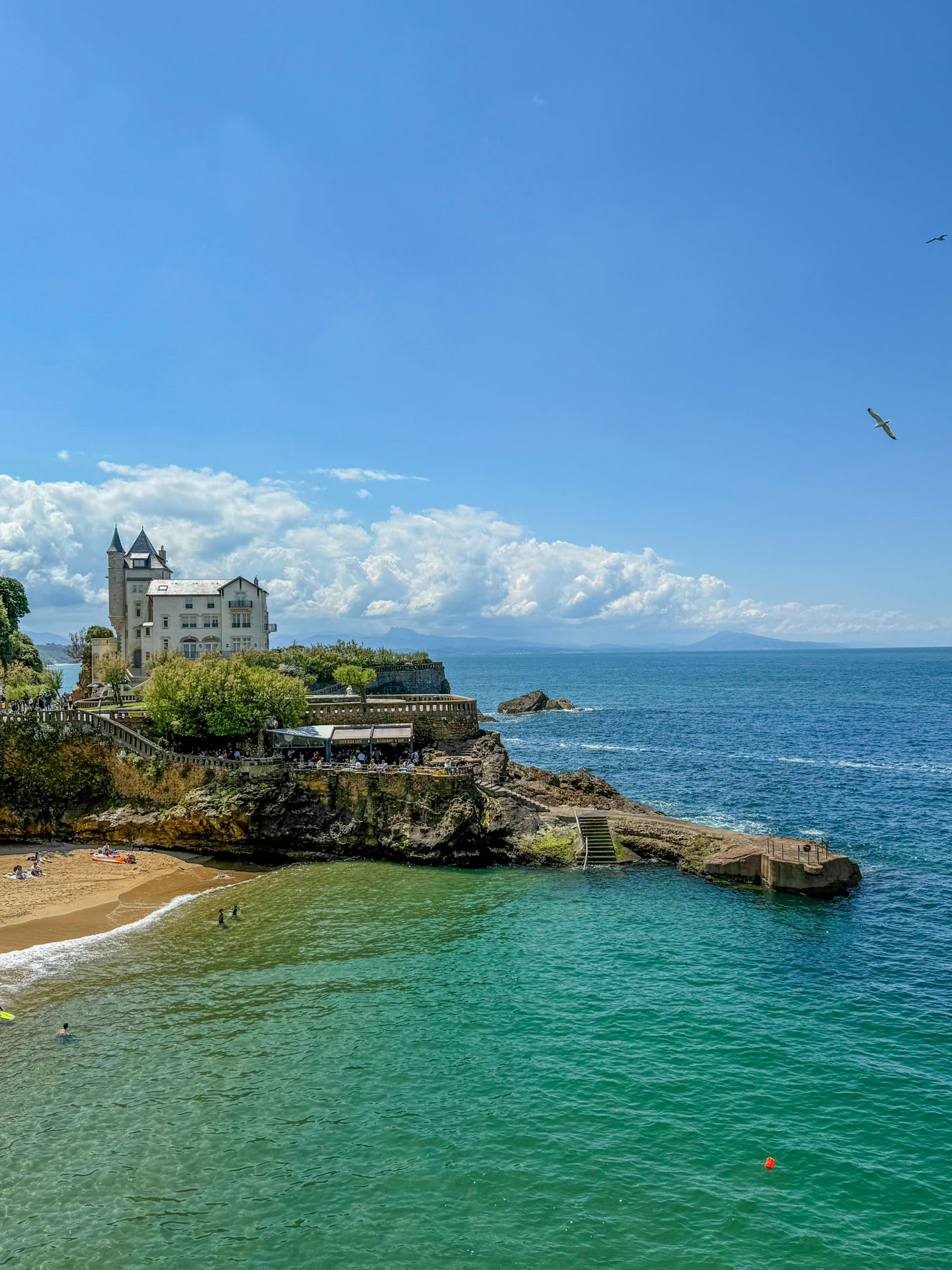
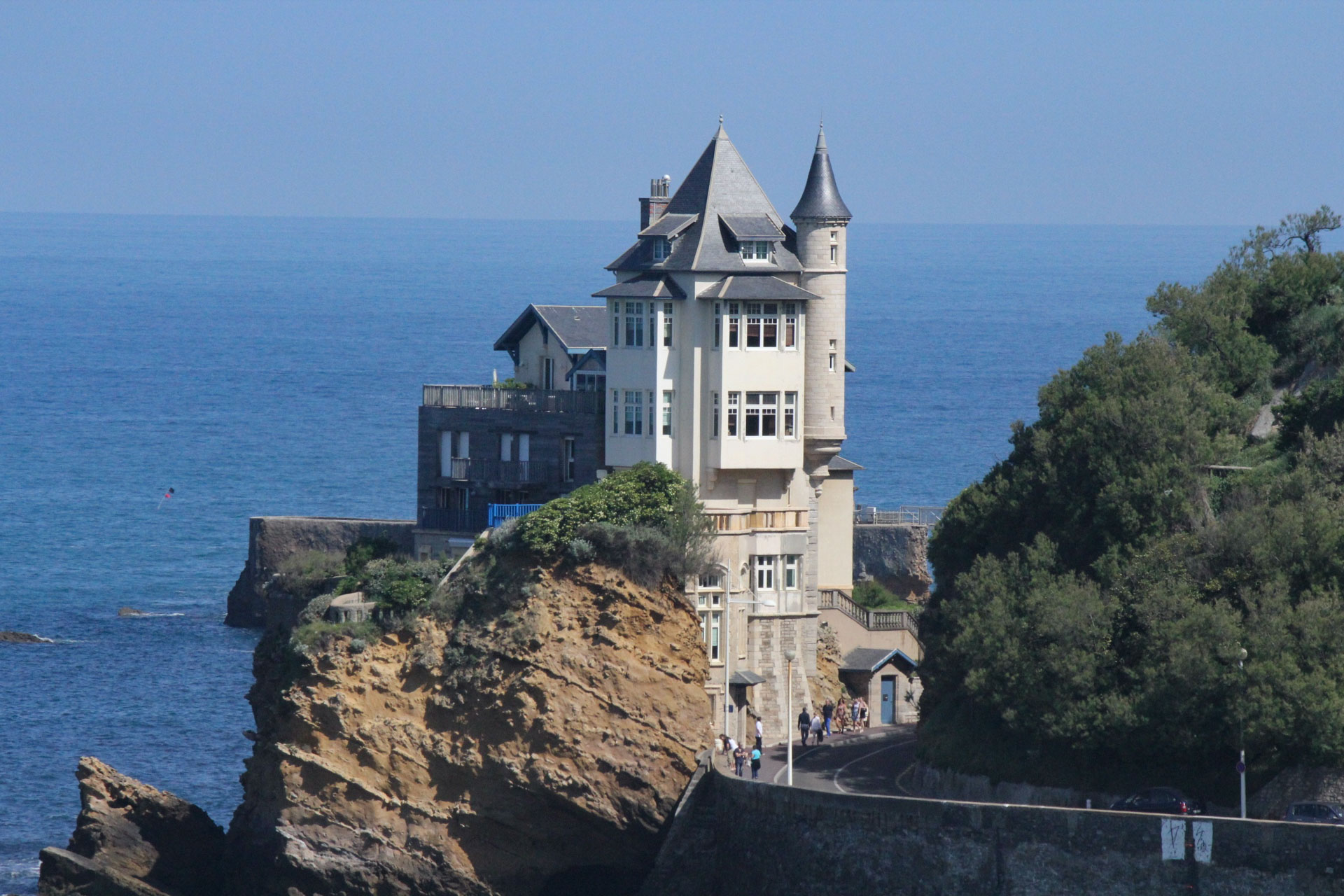
The Grande Plage, bordered by the Barrière casino and the Hôtel du Palais, is the seaside heart of Biarritz. Visitors come here to swim, sunbathe, stroll along the promenade or simply admire the surfers. The Côte des Basques, a little further south, is Europe’s historic surfing spot. Framed by Villa Belza and the cliffs, this legendary beach offers steady waves and a Californian-style atmosphere. Numerous surf schools welcome beginners and advanced surfers for courses and workshops.
Biarritz lighthouse
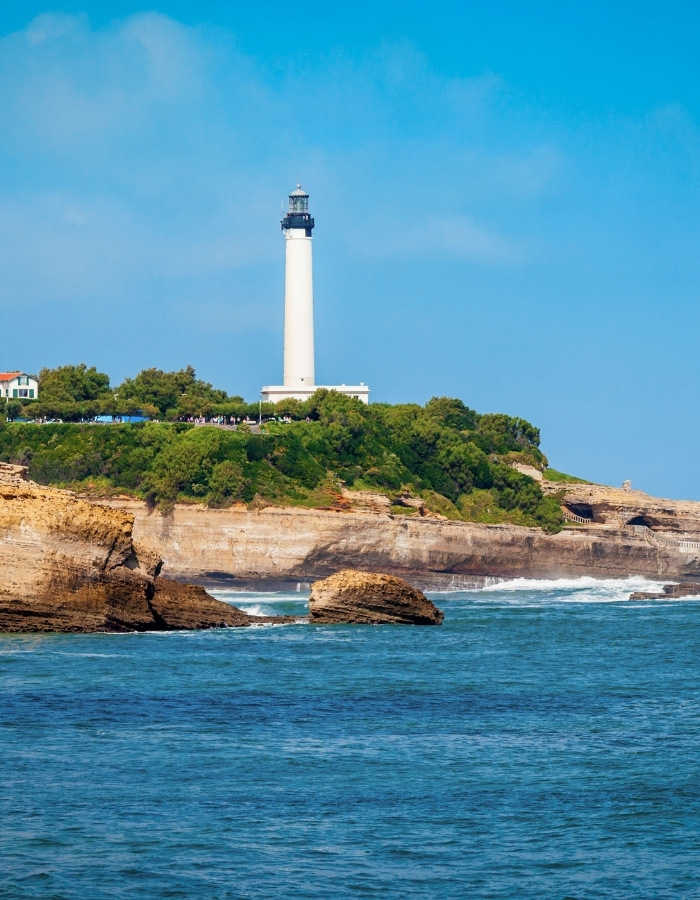
For an exceptional panoramic view of the bay, climb the 248 steps of the Biarritz lighthouse, located at Pointe Saint-Martin. At 73 meters above sea level, the view stretches from the beaches of Biarritz to the Landes coast and, on a clear day, as far as the Pyrenees. Built in 1834, it is one of Biarritz’s must-see tourist attractions.
let yourself be conquered
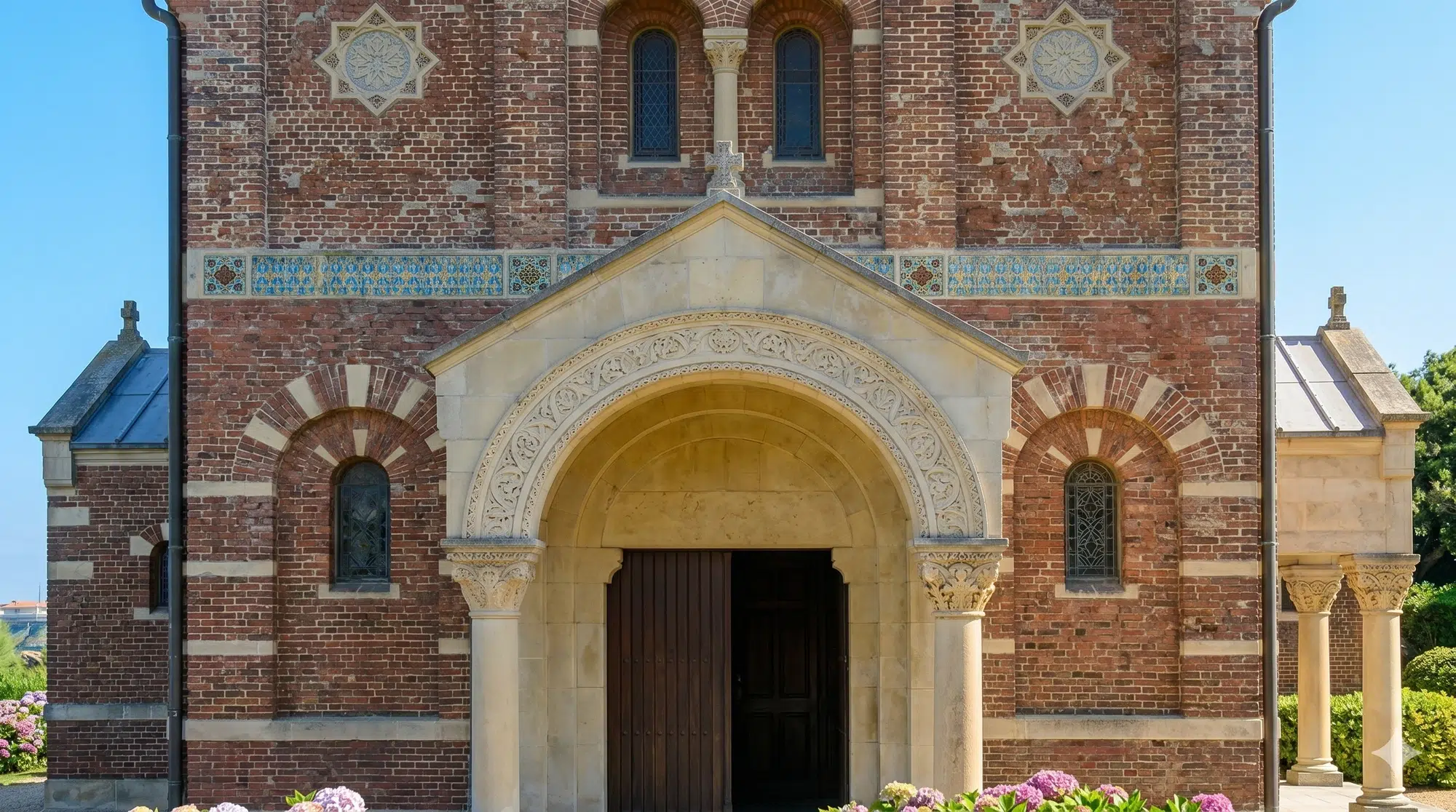
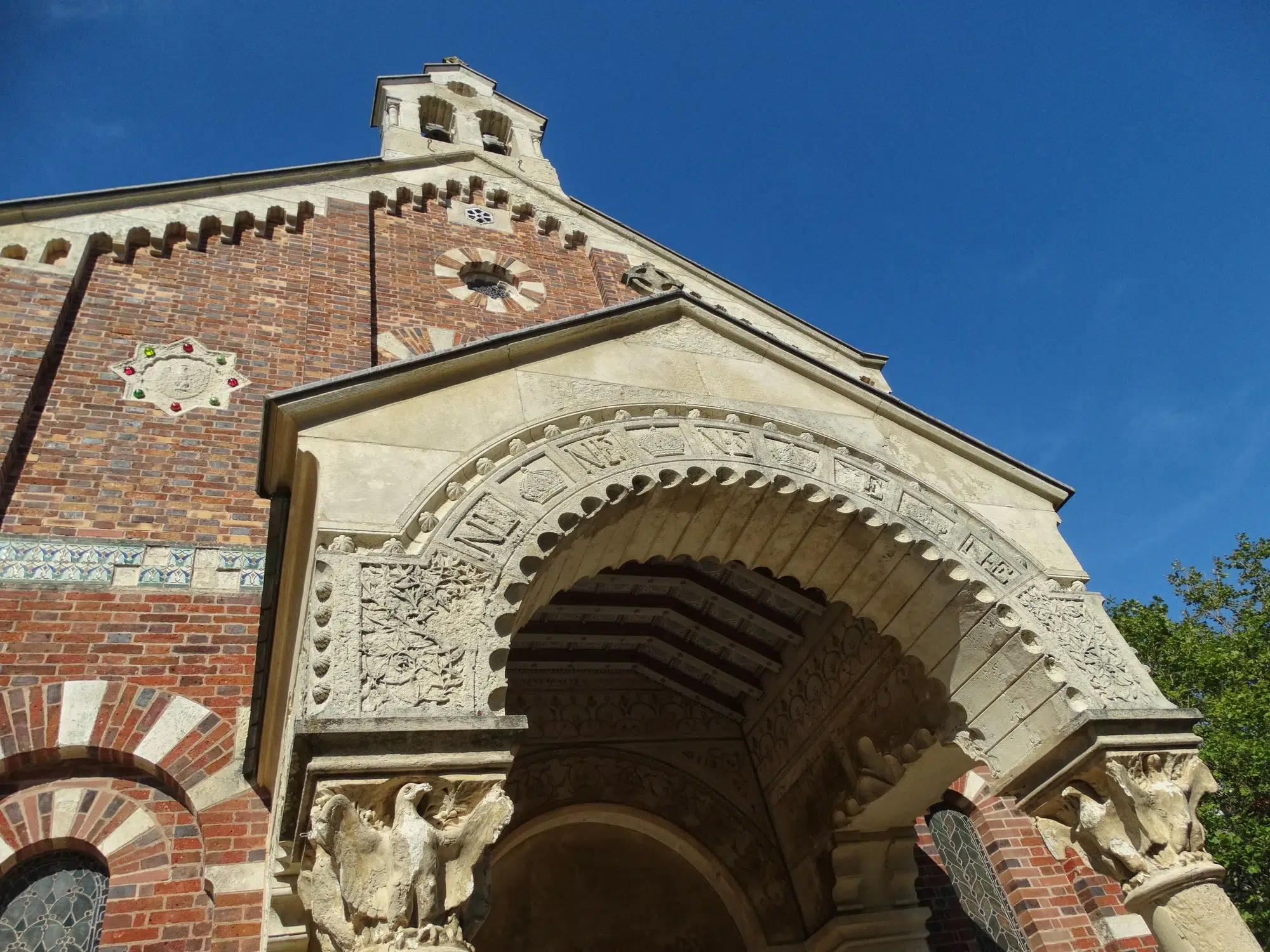
The imperial chapel in Biarritz
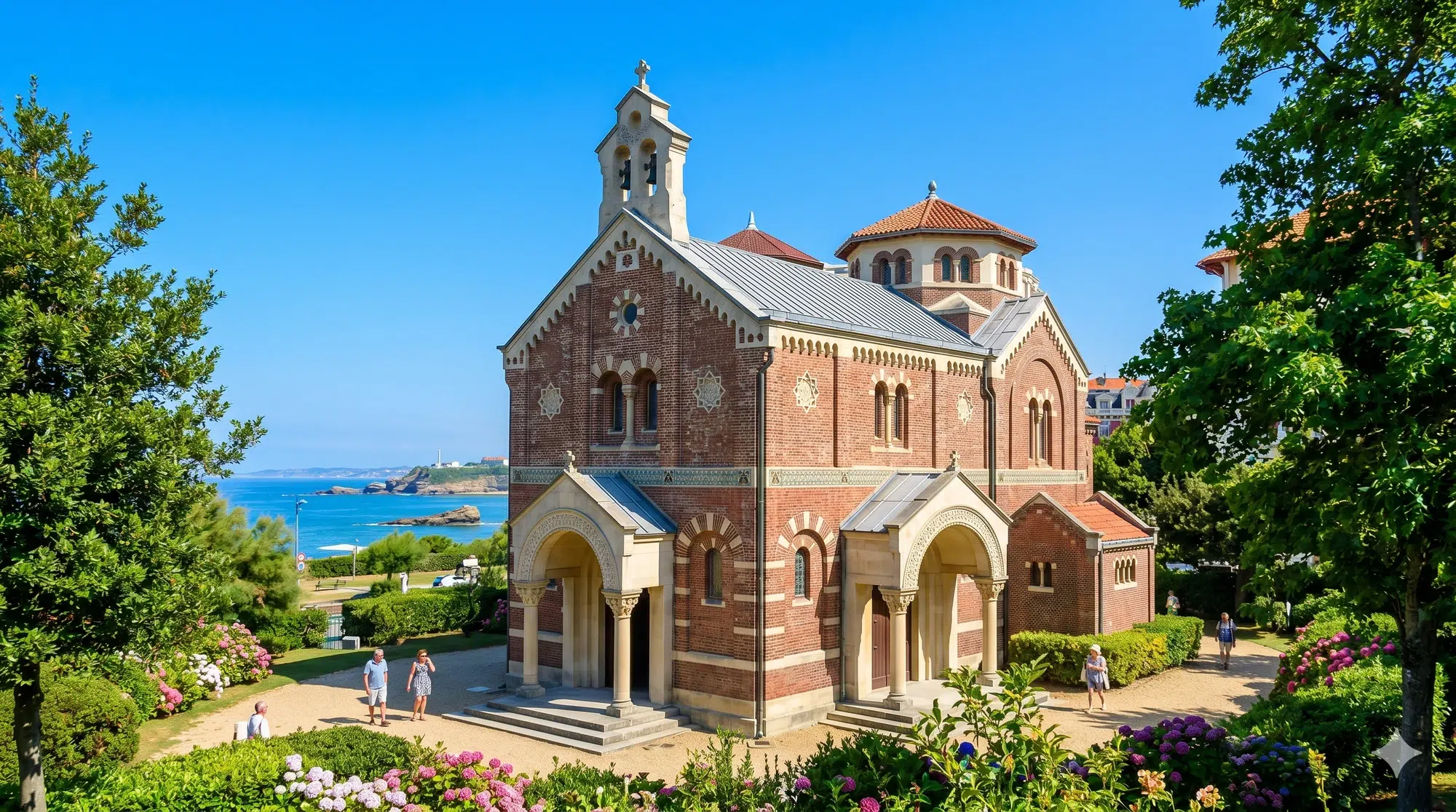
Empress Eugenie wanted this chapel to be built in the grounds of the Villa Eugenie in 1864. Built by Emile Boeswillwald, a pupil of Viollet-le-Duc, in a Romanesque-Byzantine and Hispano-Moorish style characteristic of the Second Empire, it is of rare beauty.
Its azulejos on the exterior walls, its exceptional polychromy and its period furnishings make it a heritage gem. Classified as a historic monument in 1981, it now belongs to the city of Biarritz and hosts four commemorative masses a year.

discover the flora and fauna
Museum of the Sea
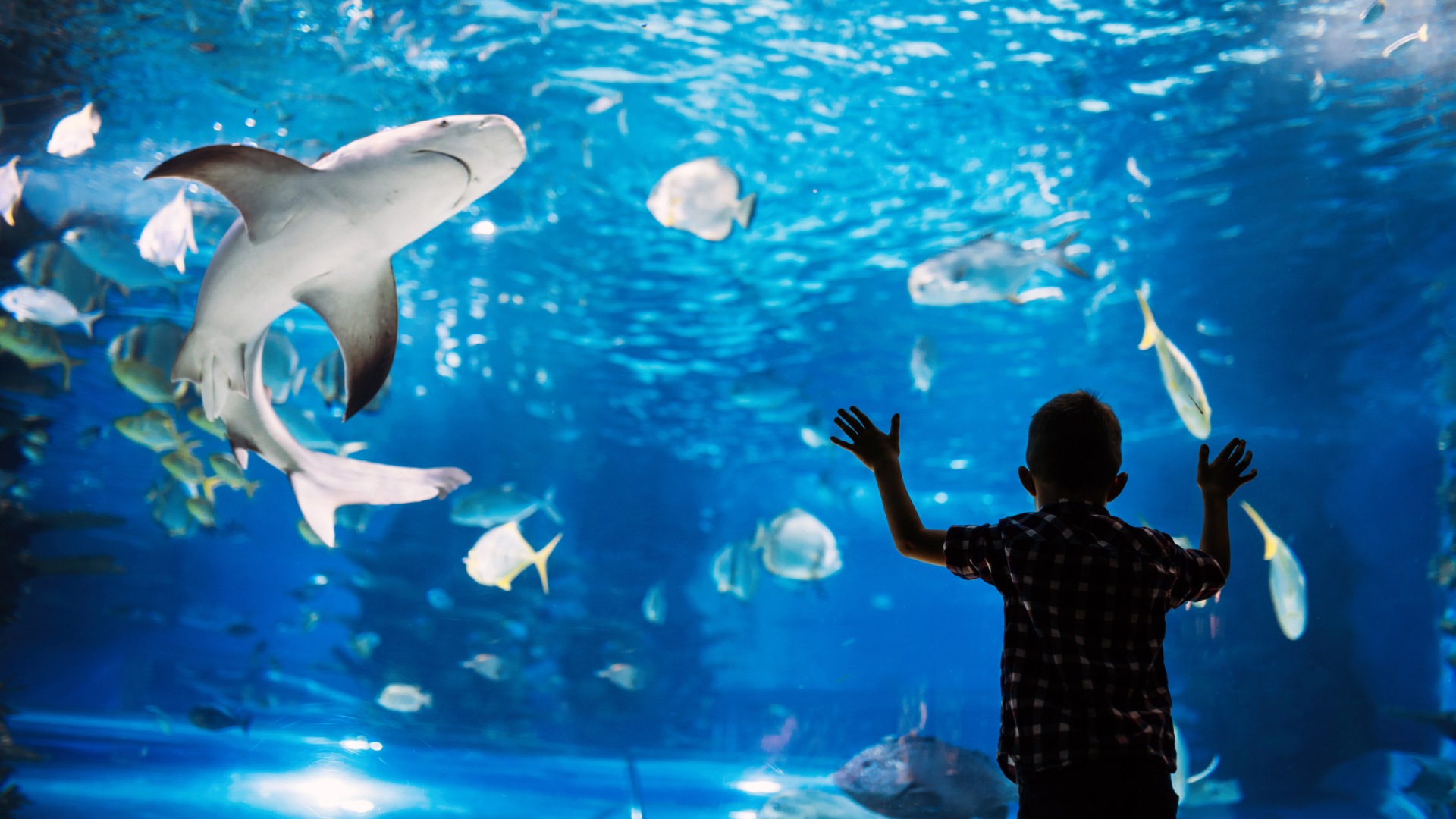
Facing the Rocher de la Vierge, theBiarritz Aquarium is one of the oldest and most beautiful establishments of its kind in France. Housed in a superb Art Deco building, it invites you to discover the flora and fauna of the Bay of Biscay, as well as species from the Caribbean and Indo-Pacific.
Sharks, rays, turtles, jellyfish and, of course, the famous seals, whose daily meal you can observe, will delight young and old alike. The cetacean gallery and collections dedicated to fishing techniques in the Basque Country complete this immersion in the marine world. An ideal family outing, whatever the weather!
Biarritz fishermen’s port
It’s impossible to visit Biarritz without strolling through this picturesque and colorful area, just a stone’s throw from the city center. Created after work on the Port du Refuge was abandoned in 1870, the fishermen’s port has preserved its original soul.
Its “crampottes”, little white huts with blue shutters, are now home to artisan boutiques, bistros and restaurants where you can enjoy grilled fish and seafood overlooking the ocean. The atmosphere is authentic and relaxed, perfect for a gourmet break between two visits.
The Virgin’s Rock in Biarritz
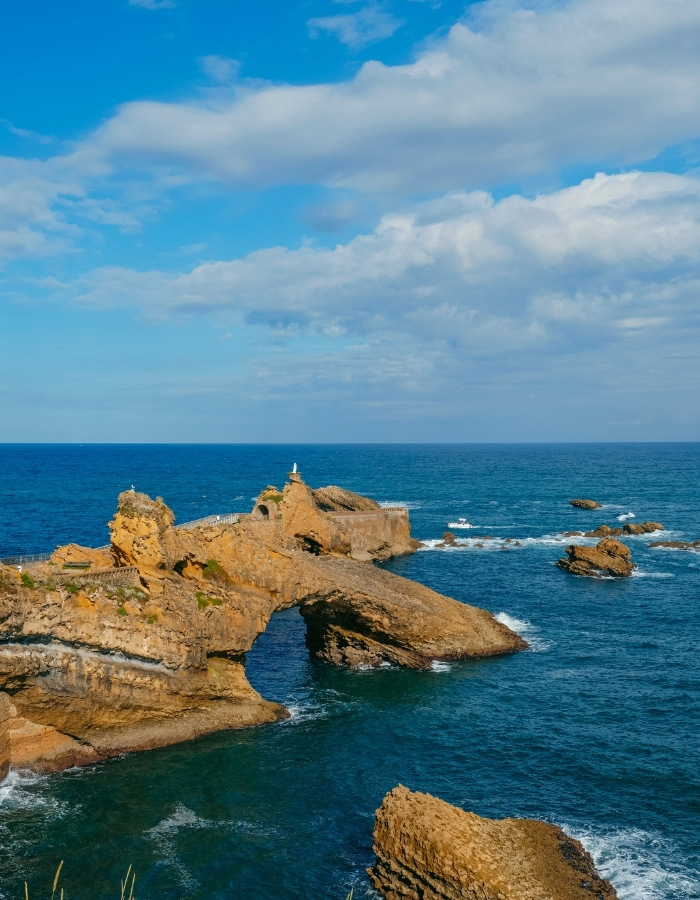
It’s the unmistakable symbol of Biarritz. Napoleon III decided to use this imposing rock as the anchor point for the Port du Refuge breakwater he wished to create. It was connected to the land by a wooden bridge, since replaced by a metal footbridge designed by the Eiffel workshops, with a tunnel to transport the blocks of stone for construction.
In 1865, a statueof the Virgin Mary was erected on its summit, giving it its current name. From here, the panorama of the ocean, Basque coast and Pyrenees is breathtaking, especially at sunset. In the evening, the spotlights provide a breathtaking backdrop to the waves.