


Medieval escape

Saint-Jean-Pied-de-Port, Most Beautiful Village in France
From our campsite in the Basque Country, Saint-Jean-Pied-de-Port (Donibane Garazi in Basque) is about an hour’s drive.
This sublime, colorful commune, listed as one of France’s “Most Beautiful Villages” since 2016, is a must-see when visiting the Pyrénées-Atlantiques. Tourism in Saint-Jean-Pied-de-Port attracts tens of thousands of visitors every year, seduced by its rich heritage and peaceful atmosphere.
capital of basse-navarre
A town not far from the campsite with a rich historical heritage
The historic capital of Basse-Navarre owes its name to its geographical location at the foot of the Pyrenean passes (or “ports”).
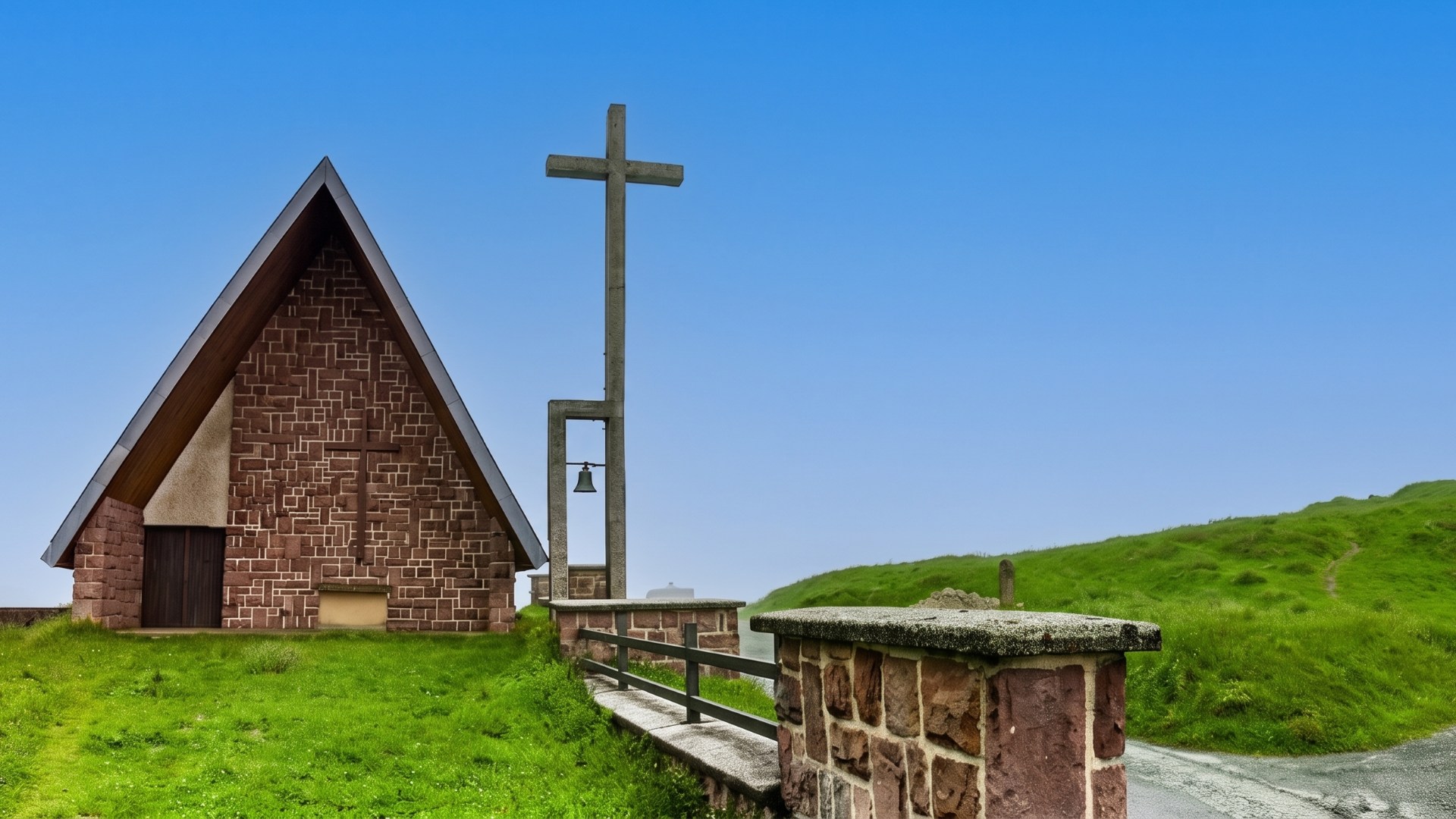
The most famous of these is the Roncesvalles Pass, made legendary by the battle in which Charlemagne’s rearguard, led by Roland, was defeated by Basque fighters. This strategic position made Saint-Jean-Pied-de-Port a key town in the kingdom of Navarre for centuries.
On the road to Santiago de Compostela
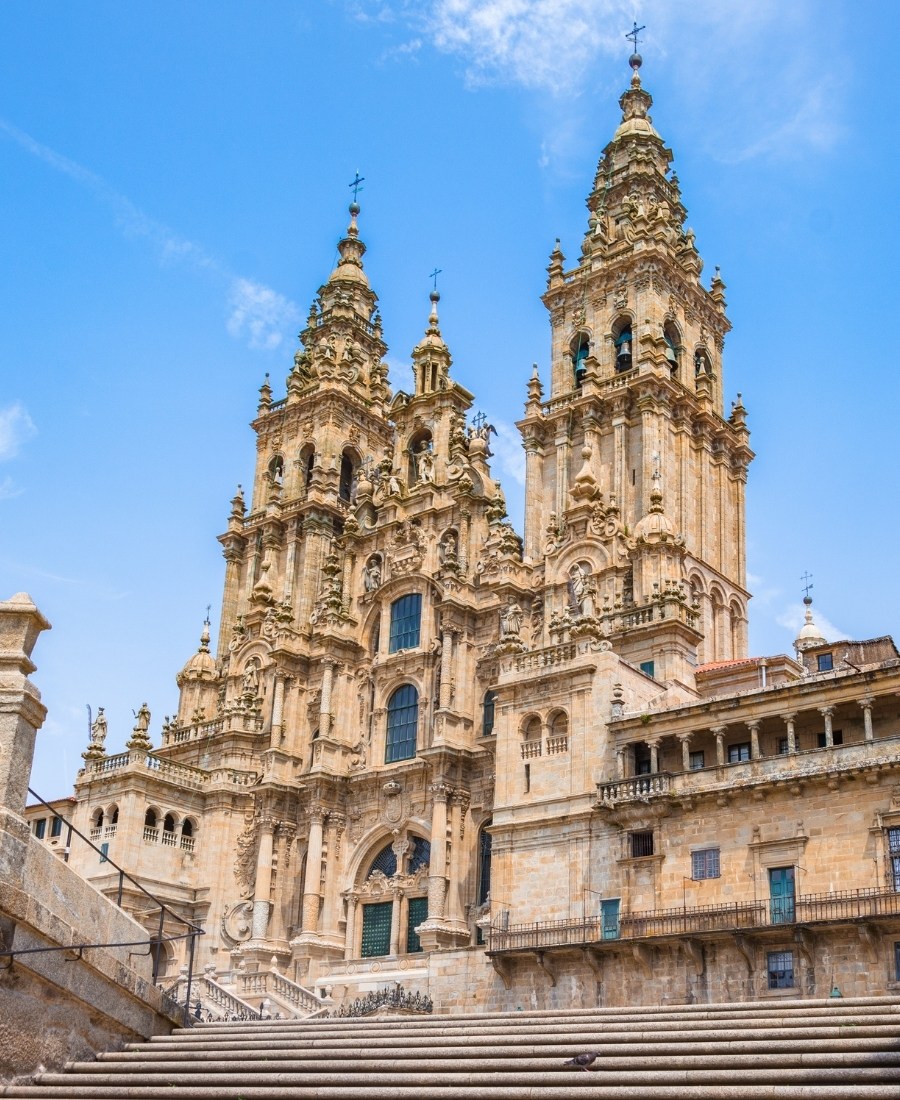
To visit Saint-Jean-Pied-de-Port is to walk in the footsteps of the pilgrims who, since the Middle Ages, have crossed the Pyrenees on their way to Compostela. The town is the last French stop on the “Camino Francés”, at the crossroads of the Via Podiensis to Le Puy-en-Velay, the Pyrenean Piedmont, Vézelay and Tours.
Every year, more than 60,000 pilgrims pass through the UNESCO World Heritage Site of Santiago de Compostela, before making the dreaded ascent to the collegiate church of Roncesvalles. It was the kings of Navarre who deviated from the original route, allowing pilgrims to cross the Pyrenees via Saint-Jean-Pied-de-Port, thus boosting the prosperity of their capital.
This tradition of hospitality continues to this day: the Maison Laborde, the pilgrims’ welcome office, issues the precious Crédenciale, attesting to the passage of each and every pilgrim. The friendly, welcoming atmosphere that reigns in the narrow streets is testimony to this age-old vocation of hospitality.
historical monument
The citadel and ramparts
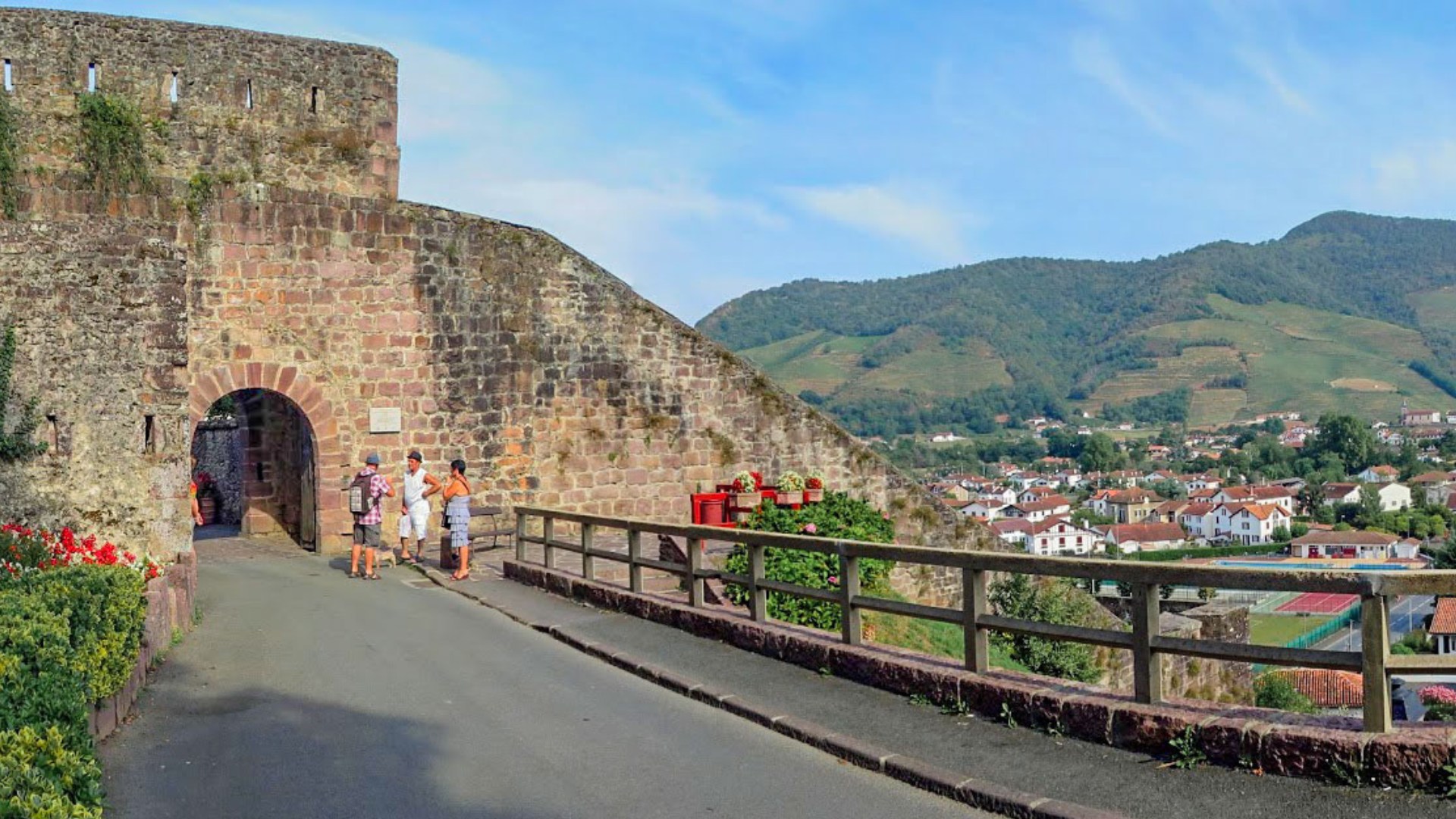
Surrounded by city walls, Saint-Jean-Pied-de-Port is dominated by an imposing citadel that traces the military history of the Basque country. Built in the early XVIIᵉ century to plans by Antoine de Ville, on the site of the ancient fortified castle of the kings of Navarre, it was redesigned by Vauban in 1685.
Protected as a historic monument since 1963, the citadel is now home to the town’s public secondary school, making Saint-Jean-Pied-de-Port schoolchildren privileged visitors to one of France’s most beautiful establishments! To discover Saint-Jean-Pied-de-Port from a different angle, take the walkway linking the Porte de Navarre to the Porte Saint-Jacques.
This elevated walk offers an exceptional panorama of the fortified town, its pink sandstone roofs and the Pyrenean mountains in the background. Guided tours of the citadel’s underground passages are organized in summer for lovers of military history.

culture and traditions
Architectural heritage and places to discover
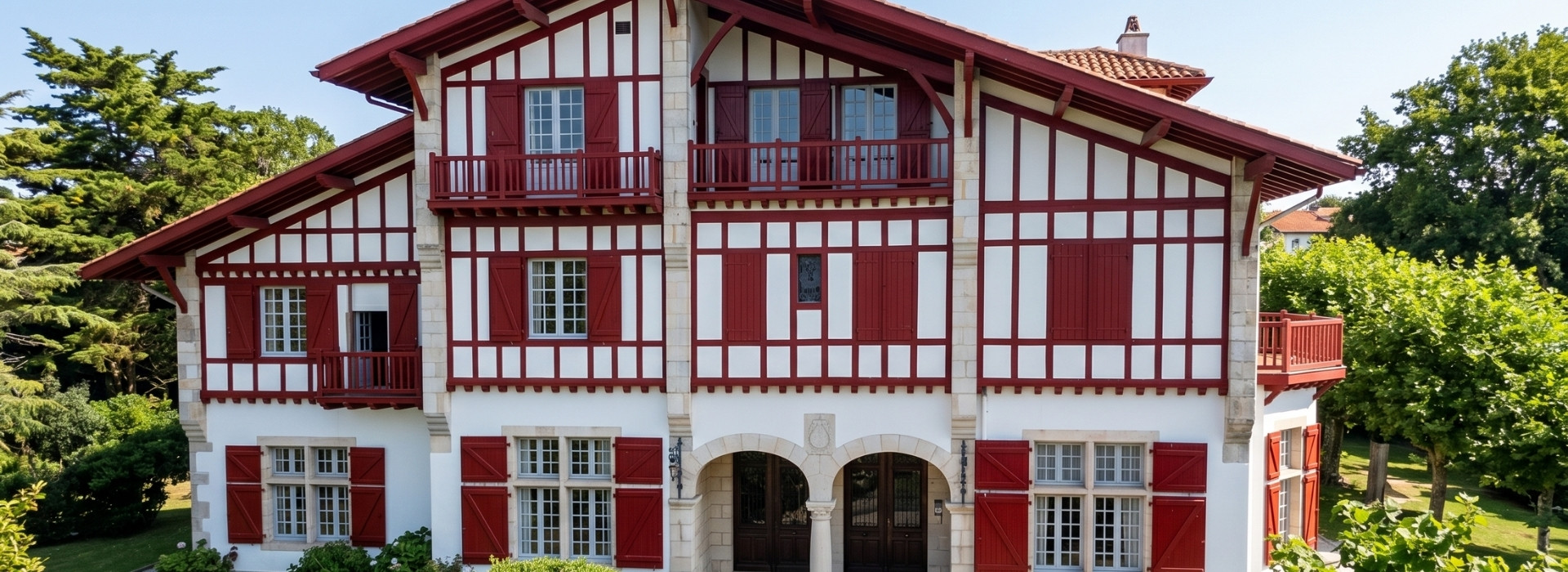
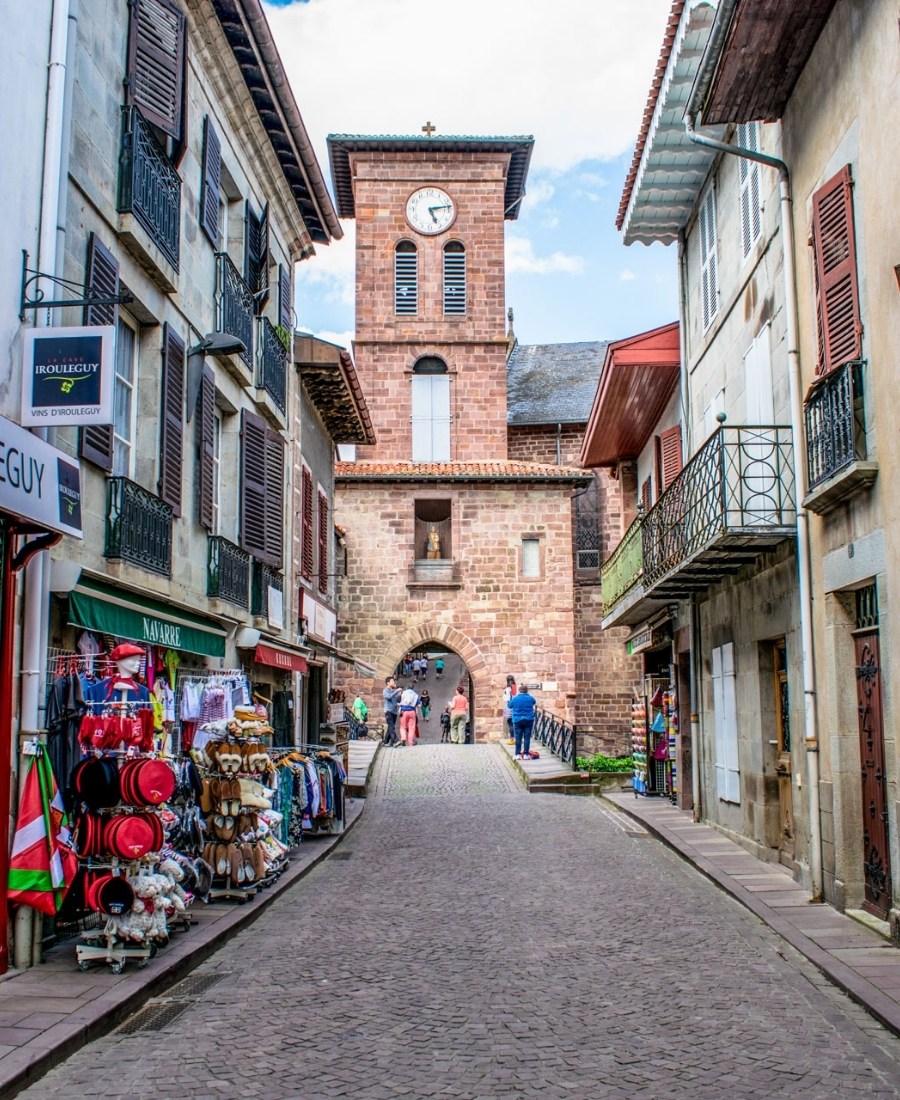
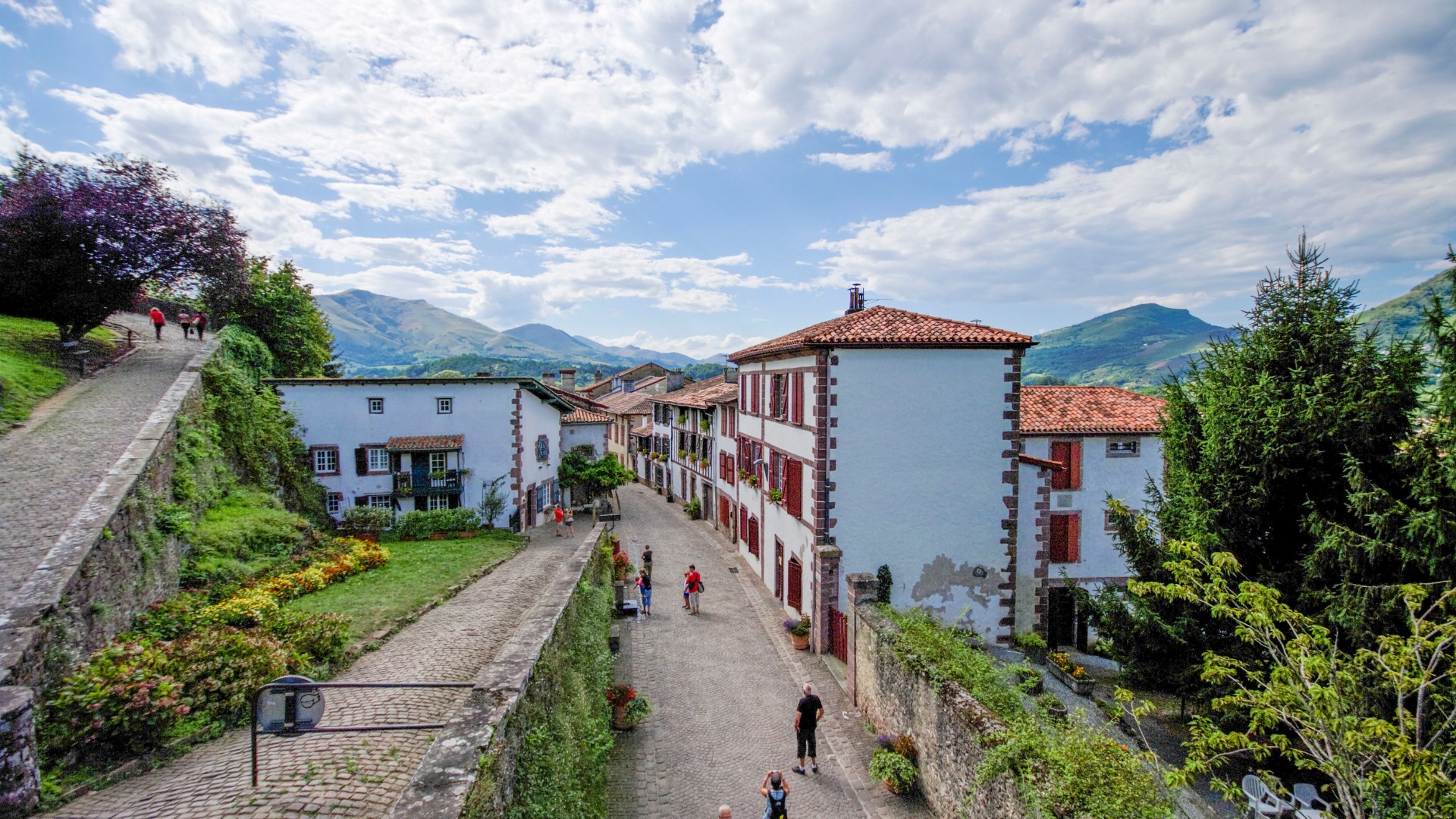
As you stroll along the cobbled streets of the historic town center, you’ll be charmed by the remarkably well-preserved traditional Basque architecture. The pink sandstone that brightens up the facades, the sculpted lintels crowning the entrance doors, the half-timbering on the upper floors and the red or green shutters create a decor of rare harmony.
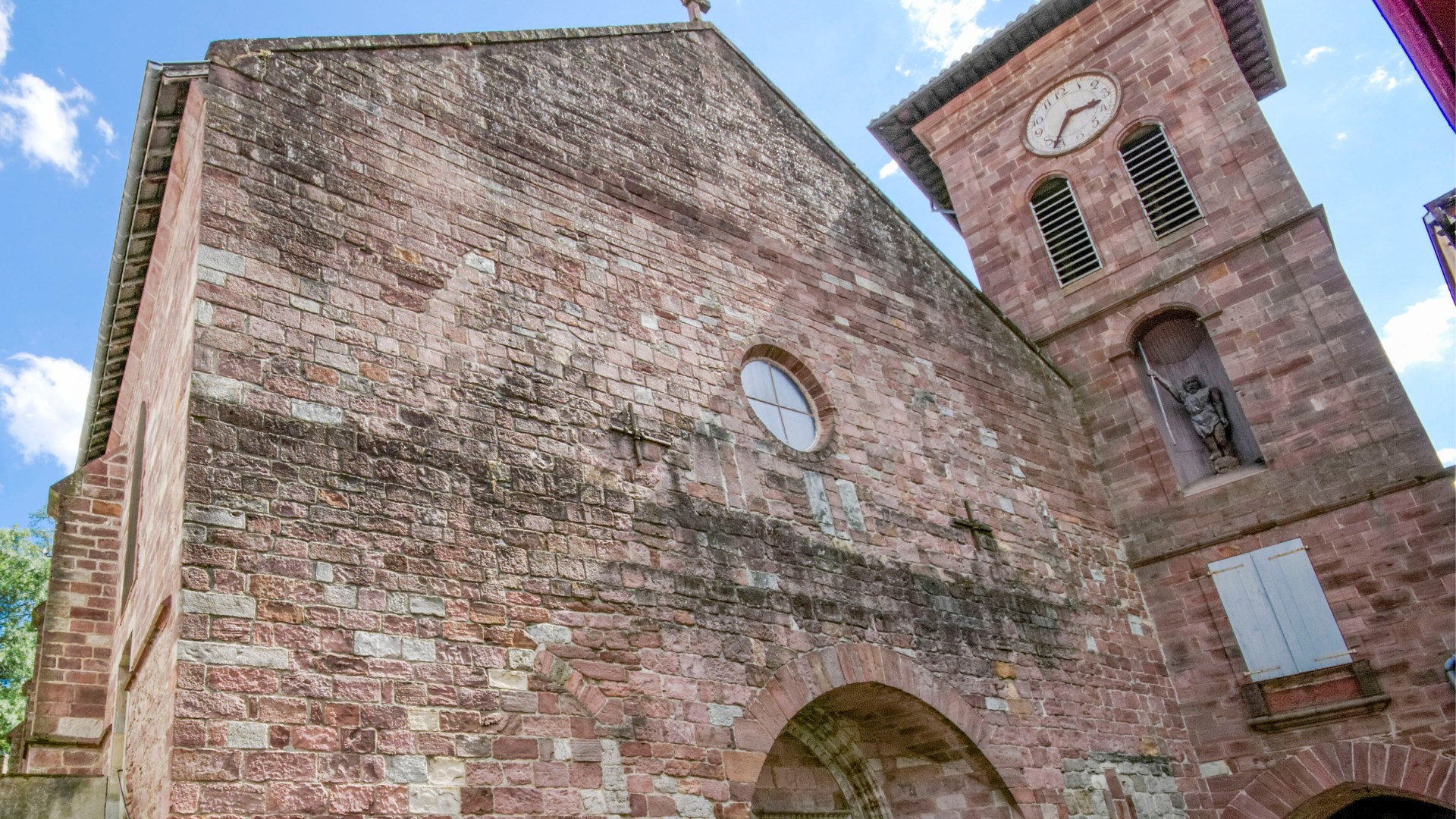
Rue de la Citadelle, the village’s emblematic thoroughfare, is the centerpiece of the village’s charm. Its steepness is quickly forgotten by the beauty of its period facades, artisan boutiques and small terraces. At the entrance to the town, thechurch of Notre-Dame-du-Bout-du-Pont, the most important Gothic building in the French Basque Country, has been welcoming travellers and pilgrims since the 13th century.
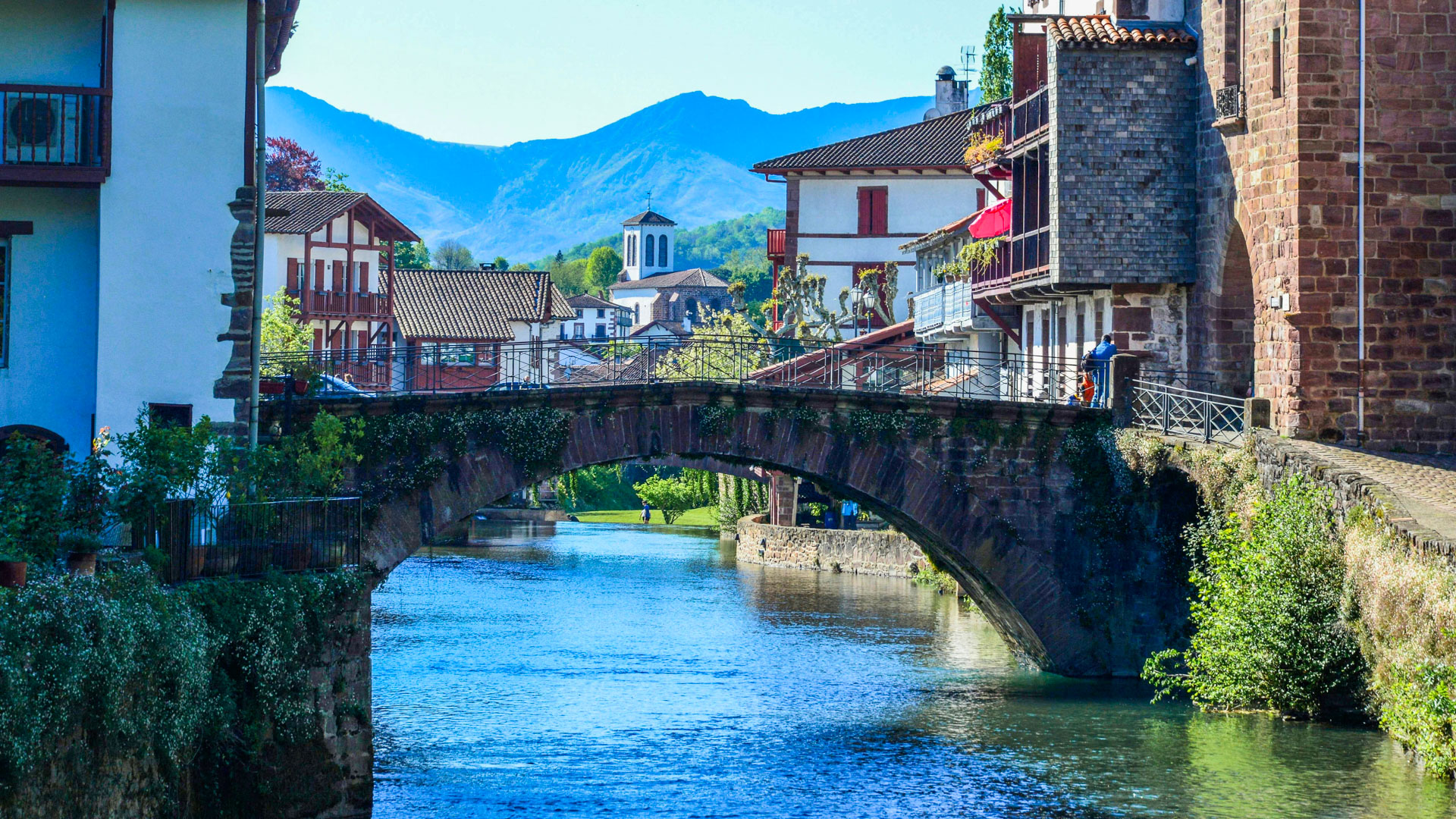
Don’t miss the “Roman” bridge over the Nive, one of the most photographed views of the village: the traditional houses with their colorful facades seem to float on the river, a simply enchanting perspective. The former Prison des Évêques, a medieval residence that became a prison from the 18th to the 20th century, now houses a museum dedicated to local history and the pilgrimage to Santiago de Compostela.
For an original visit, take the Saint-Jean-Pied-de-Port tourist train and discover the Mansart house, the banks of the Nive river and the city’s main monuments.
Gastronomy and local produce
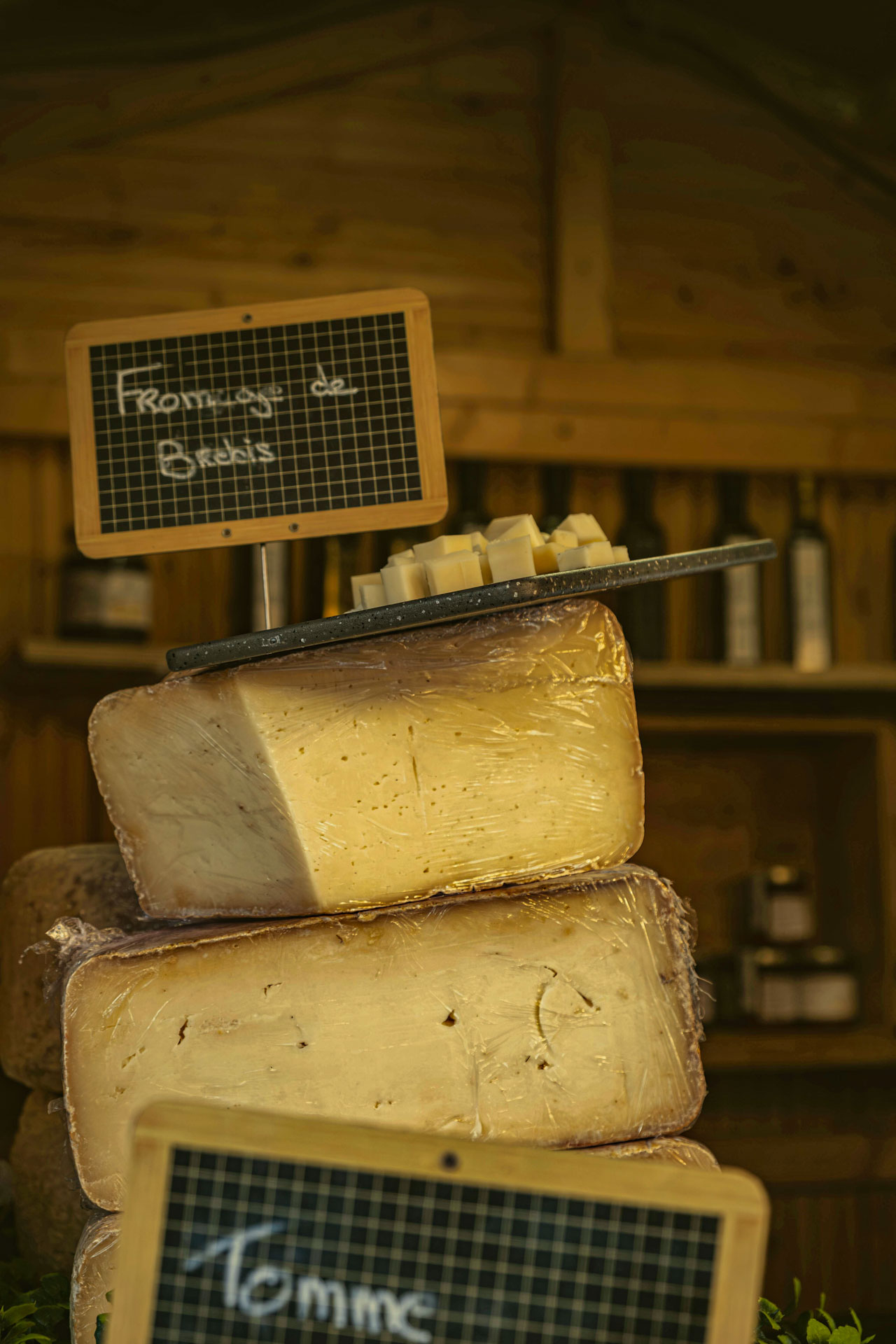
A land of many flavors (Basque gastronomy), Saint-Jean-Pied-de-Port is a showcase for the inland Basque country. Every Monday, the weekly market brings the town to life, while the Local Producers and Craftsmen’s Market gives you the chance to meet producers from the Garazi mountain villages and discover a wide range of local produce.
Ewe’s milk cheeses, Irouléguy wines grown on terraces (the only vineyard in the French Basque Country), Basque cider, pork and cured meats, charcuterie, pastries, honey and jams will delight gourmets. In the restaurants, taste the local specialties: piperade, chipirons, marbled eels, trout from the Nive and the famous curdled ewe’s milk with black cherry jam from Itxassou.
Just outside the village, the GR10 hiking trails and mountain landscapes invite you to explore the inland Basque country.
Discover also