


Sare, an authentic Basque village
From our campsite in the Basque Country, Sare (Sara in Basque) can be reached in half an hour.
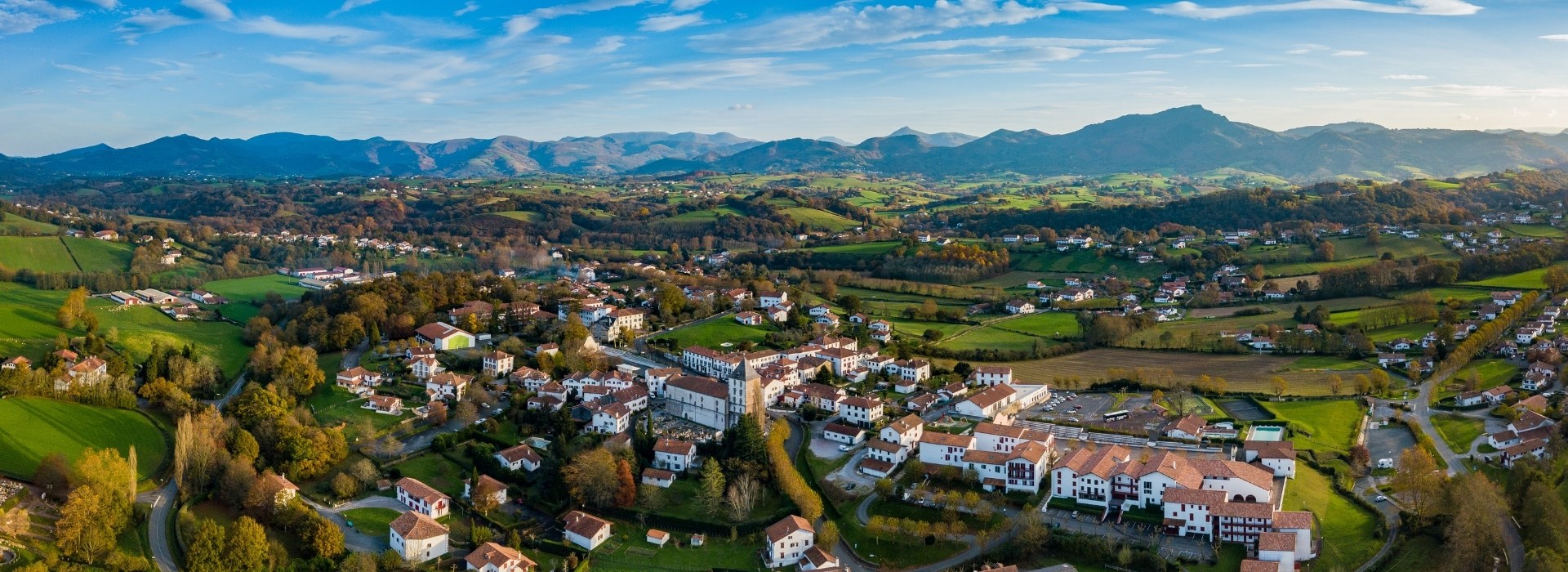
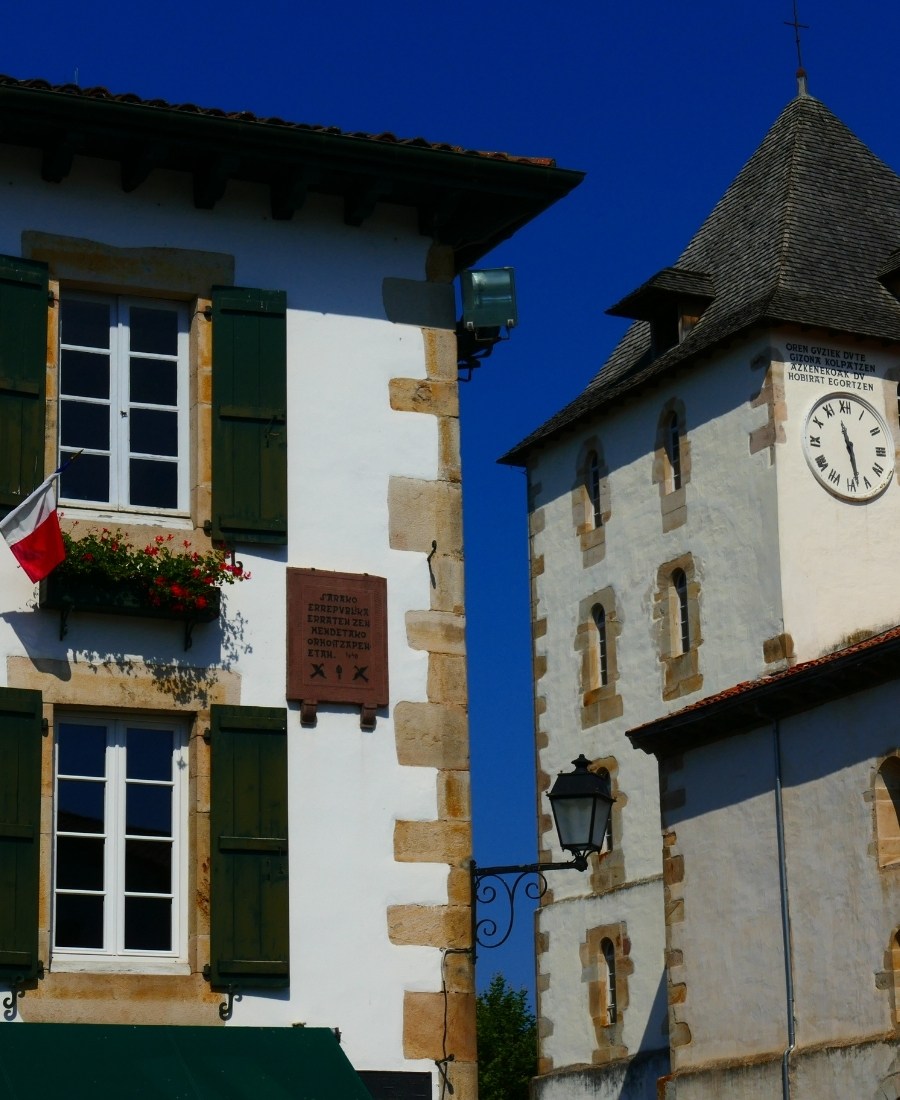
This village of almost 2,500 inhabitants is a perfect example of a traditional village that has managed to preserve its traditions and heritage while opening up to visitors.
Listed as one of the “Most Beautiful Villages in France”, Sare is a must-see destination in the heart of the Pyrénées-Atlantiques region. Tourism in Sare attracts thousands of visitors every year, seduced by the authenticity of the place and the beauty of its natural setting.
Sare, an emblematic village
A traditional Basque village near the campsite
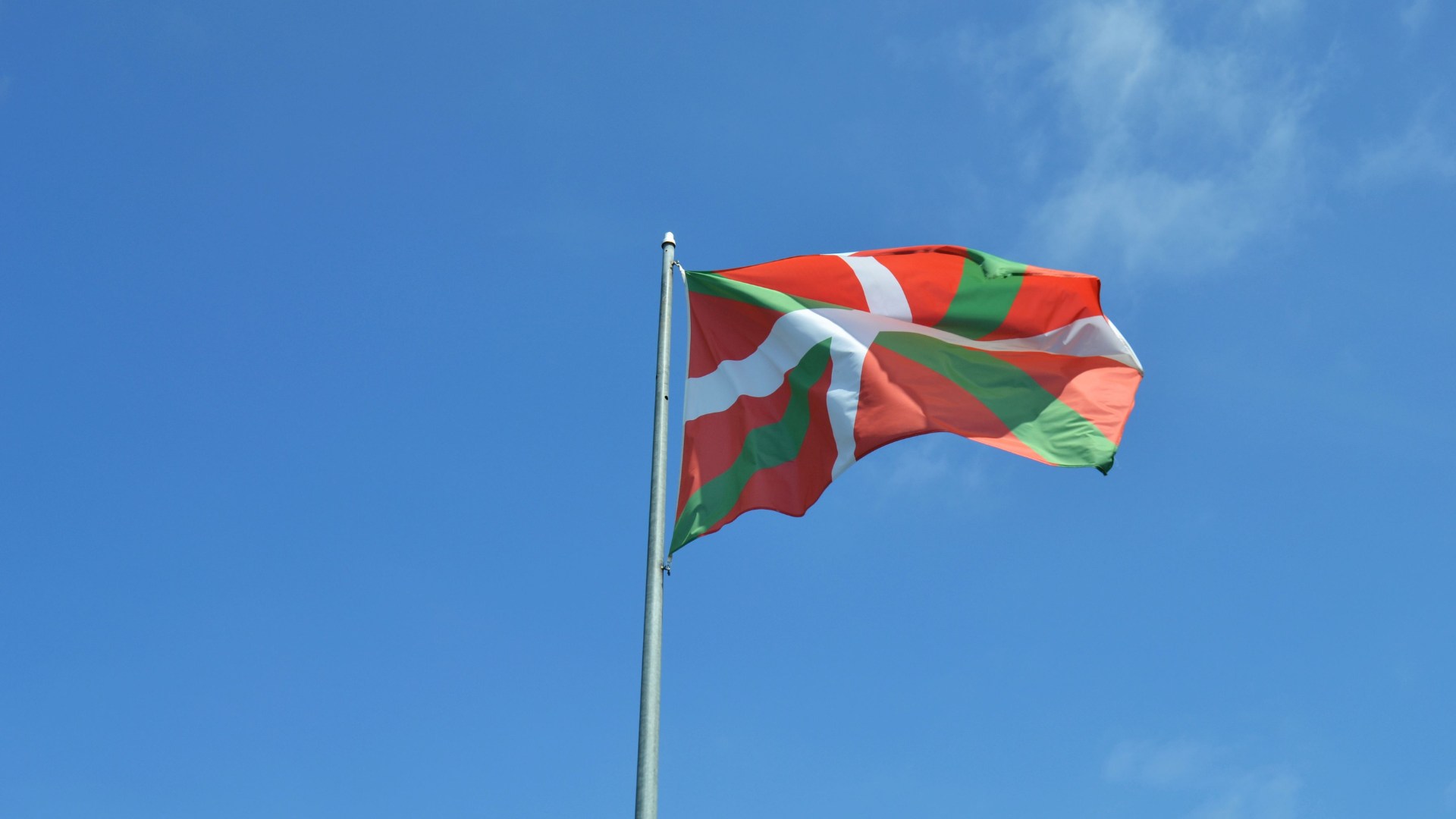
“Saran Astia”, “À Sare, on a le temps”… Such is the motto of this village wedged at the foot of thelegendary Axuria and La Rhune mountains, where traditions of festivity, sport and smuggling have spanned the ages. This charming place has seen so many illustrious figures pass through its doors: Napoleon III and Empress Eugénie, Edward VII and Winston Churchill, Pierre Loti and Luis Mariano. The novelist Pierre Loti used Sare as a model for his famous novel “Ramuntcho”, adapted for the cinema in 1938.
Architectural and religious heritage
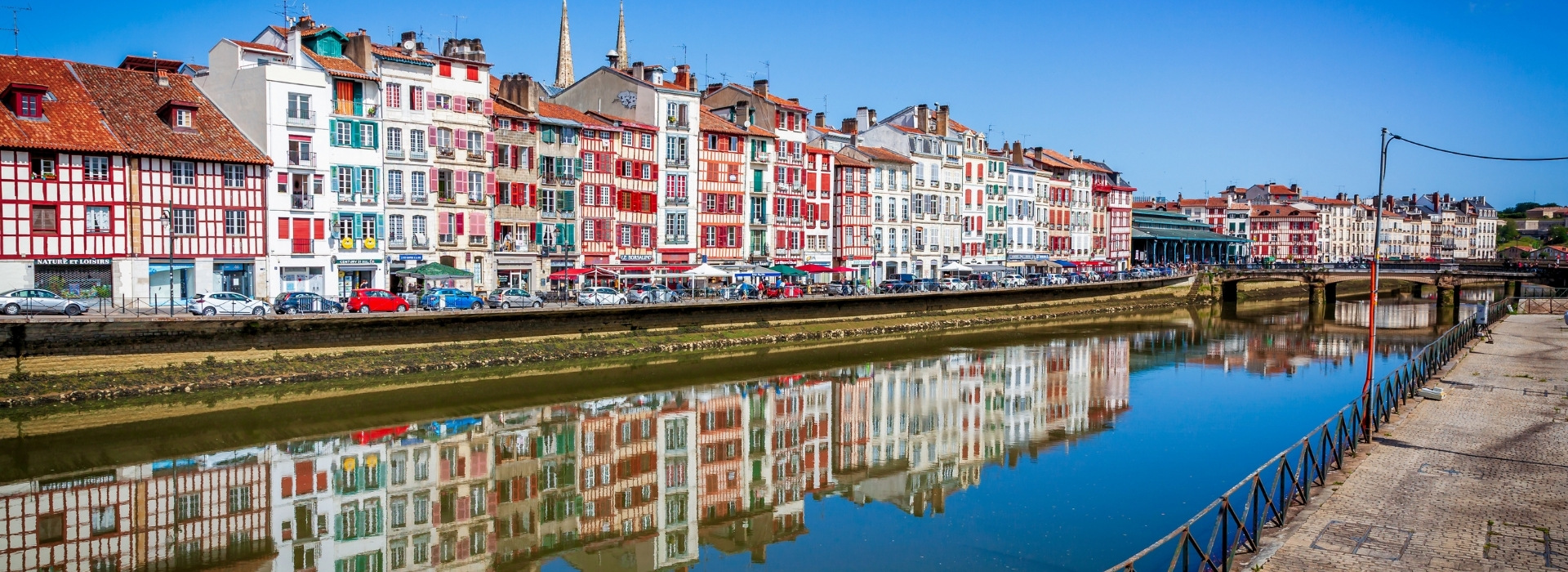
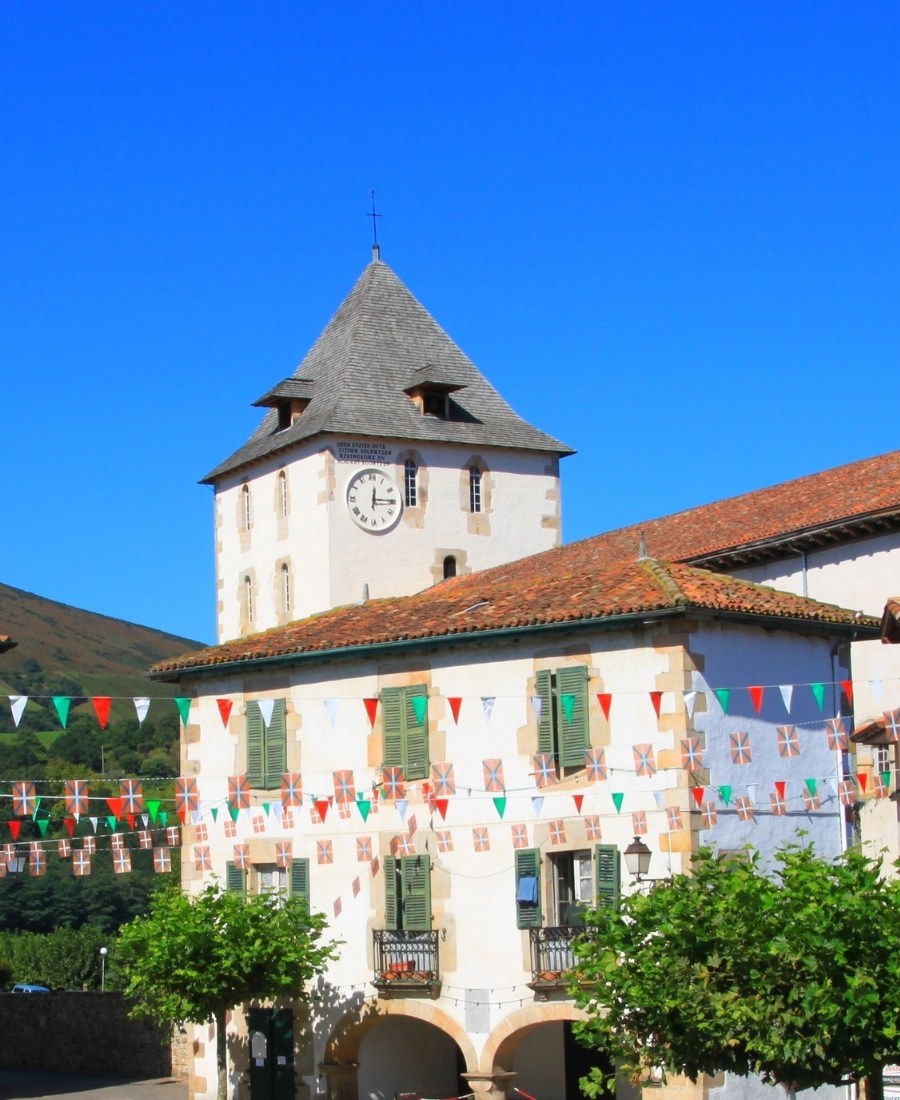
To visit Sare is to stroll through a wonderfully preserved village, nestled in the green valleys of the Labourd region. A traditional Basque village, you’ll find the traditional Basque pelota court not far from the church and town hall. Along the medieval streets, admire the Labourdine houses with their white facades and red half-timbering, testimony to the great wealth once derived from whaling and cod fishing.
Sare’s architectural heritage is full of treasures. Lintels carved directly onto the facades of houses commemorate village life several centuries ago, indicating the name of the dwelling, its date of construction and sometimes the occupation of its first occupants. The wash-houses, now abandoned, have been taken over by the surrounding nature and offer a picturesque setting.
Medieval bridges still span the waterways as they did centuries ago: the best-known of these, called Granada (Granadakozubia), is located in the Istilarte district, 1.5 km from the village center.Sare boasts one of the most beautiful churches in the Labourd region, protected as a Monument Historique since 1982. The church of Saint-Martin is topped by a five-storey bell tower, which can be visited in season or by appointment.
Its bell is one of the most sculpted in France. The adjoining cemetery is also worth a visit, as it bears witness to Basque traditions and know-how in the field of funerary art. Here you can admire various stelae with discoidal crosses, engraved with symbols on one or both sides according to a specific rite.
The Ortillopitz house
To discover Sare and the characteristic architecture of the Labourd province, don’t miss the Basque house Ortillopitz. This XVIIᵉ century building immerses you in local culture and reveals the central place of the etxe (the house in euskara) in Basque life. The tour provides an insight into how Basque families lived in days gone by, between livestock farming, agriculture and centuries-old traditions.
The prehistoric caves of Sare
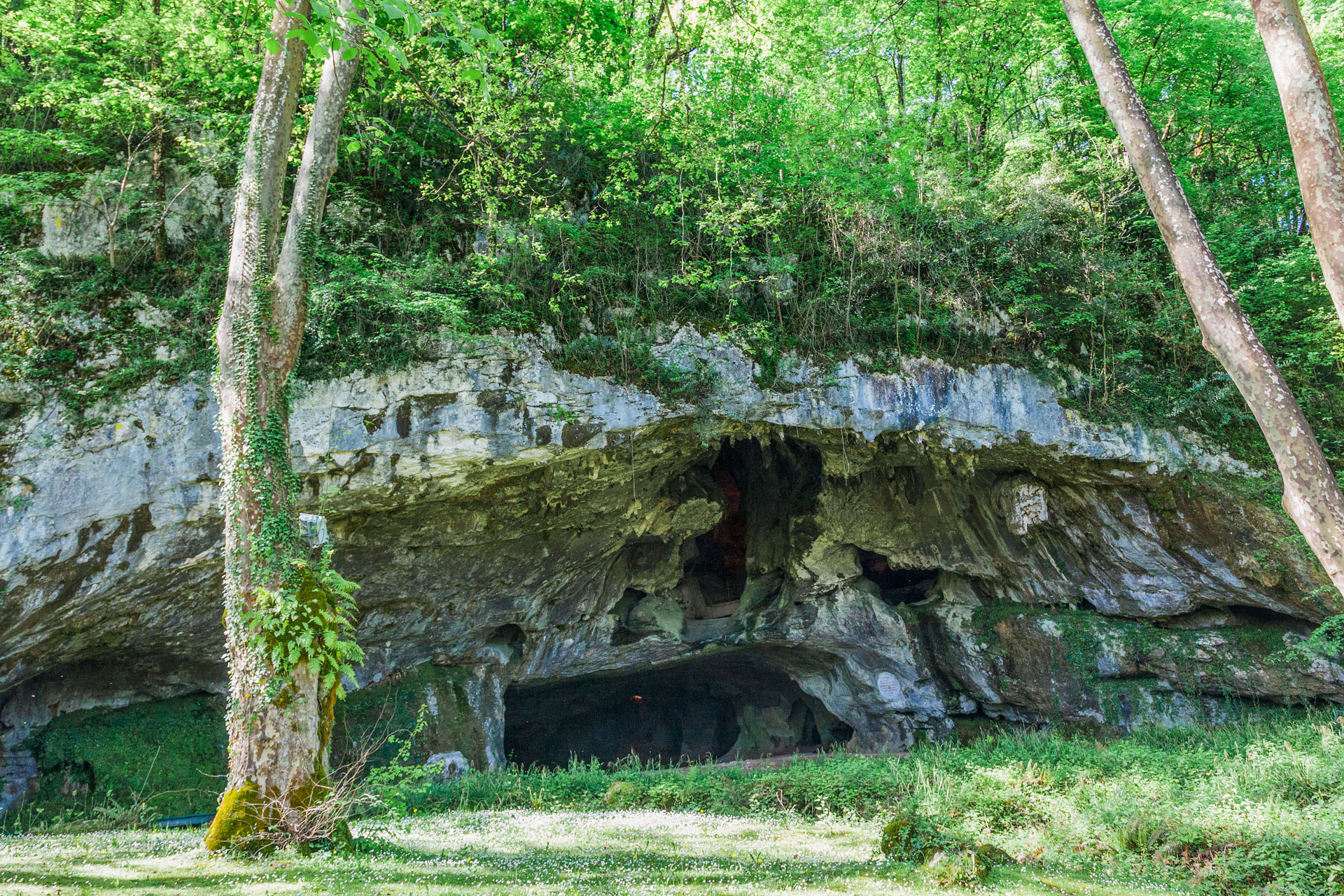
A must-see in the Basque Country, the prehistoric caves of Sare are the third most visited site in the region. Nestled in the heart of an exceptional natural setting and classified Natura 2000, these caves reveal a subterranean world where history has left its mark for over two million years.
The 45-minute to one-hour guided tour with sound and light reveals the unusual geology of these caves, formed by the action of water on limestone rock. The 900-metre tour features impressive stalactites and stalagmites, gours (geological water basins), a water mirror and fossils. The guide will tell you all about the prehistoric habitat and Basque mythology, in particular the work of José Miguel de Barandiaran, an eminent prehistorian and ethnologist with a passion for popular beliefs and myths.
The Sare caves are home to over ten species of bat, whose role in the environment is explained during the visit. The site museum, which is open to the public, allows visitors to learn more about the subjects covered in the caves, while the megalithic park presents a reconstruction of the various monuments erected by man during the Protohistoric period.
La Rhune and hiking
Outside the village, it’s time to discover the mountains that dominate it. La Rhune, the mythical mountain of the Basque country, rises to 905 metres above sea level and offers breathtaking views of the French and Spanish coasts, as well as the Pyrenees mountain range. In fine weather, the view stretches from San Sebastián to Capbreton.
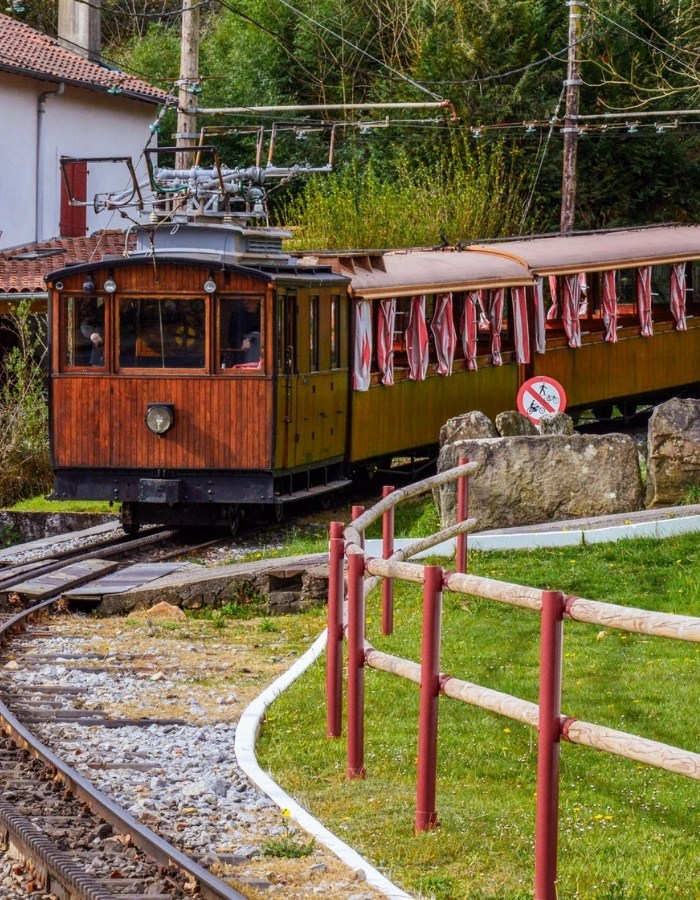
The ascent can be made on foot (allow at least two hours) or with the famous La Rhune cogwheel train. This small, vintage tourist train, dating from 1924, takes you to the summit in 35 minutes. Along the way, you’ll come across the famous pottoks, those sturdy little mountain ponies that are the free and wild emblems of the Basque country, as well as griffon vultures.
The Lizarrieta pass, located between Sare and Etxalar at an altitude of 441 meters, is another popular hiking destination. It is one of France’s main sites for counting bird migration in autumn. At the foot of the pass is one of Europe’s oldest forests, with oak trunks over two meters in diameter.
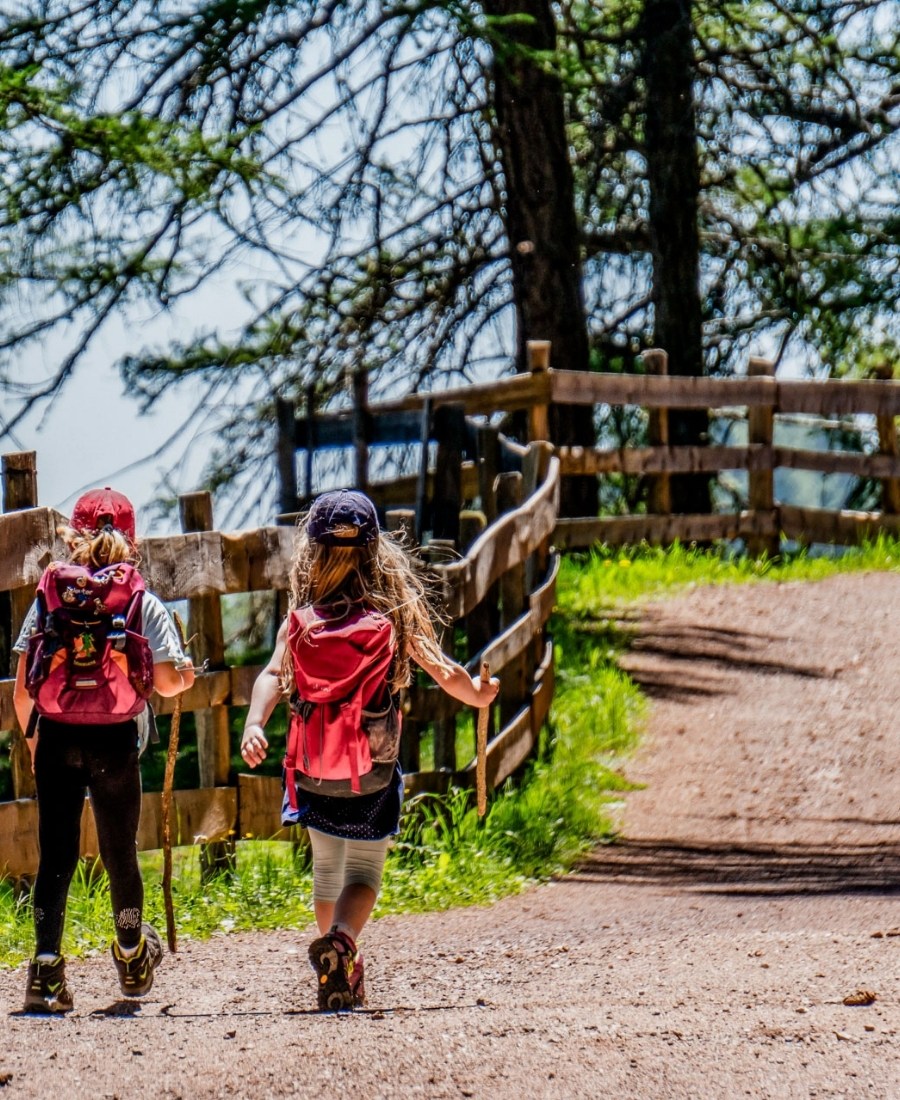
A picnic area and several hiking trails await you. La Galtzada, an ancient medieval road, runs right through Sare. Once an essential route to Spain, it is now a leisure trail from which many hikes start to discover the commune and its surroundings.
Land of contraband
With its 36 kilometers of border, the village of Sare extends deep into Spanish Navarre. You’re right in the middle of former smuggling territory.
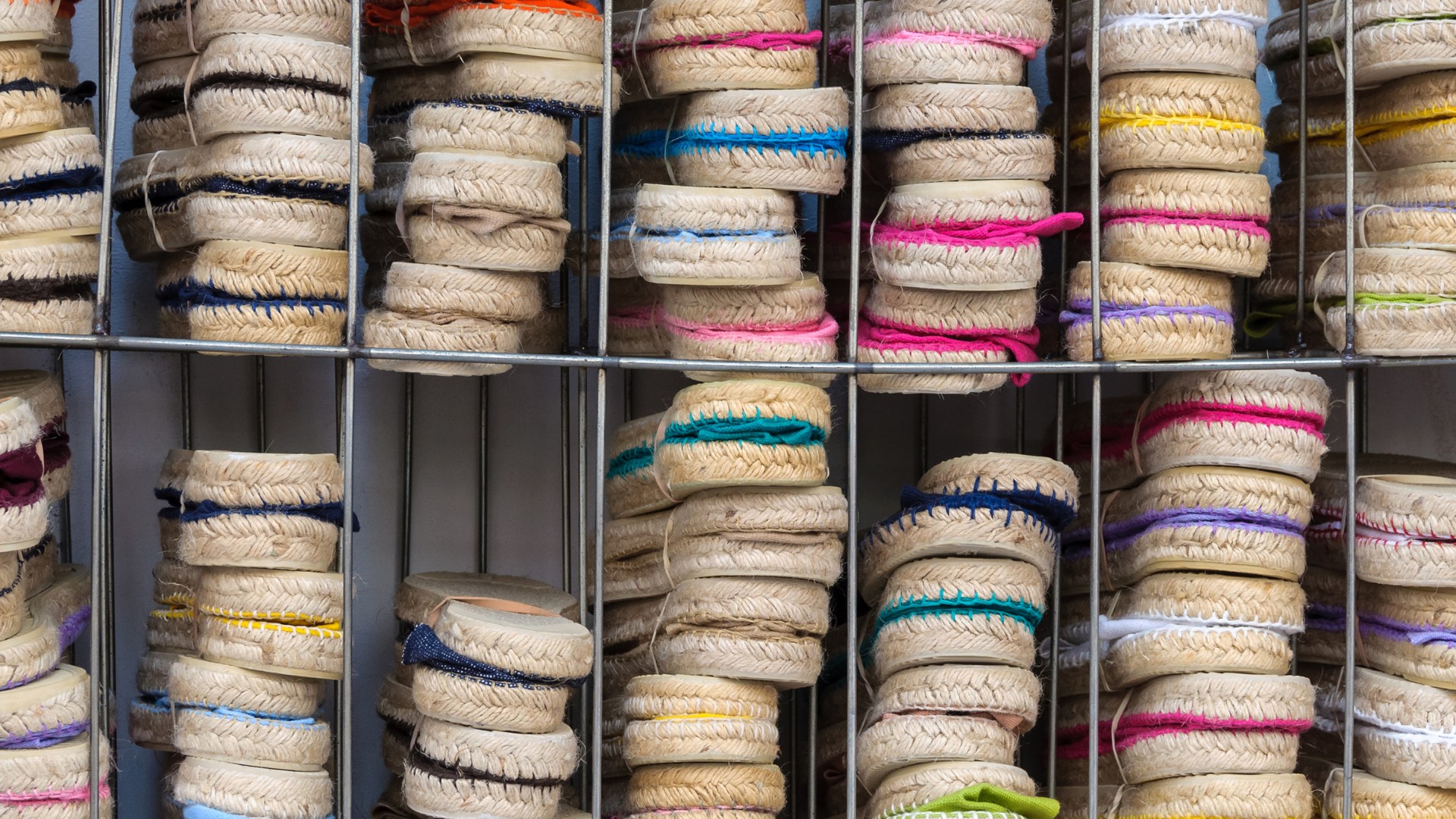
Espadrilles, animals, ball bearings or lace, many Sare inhabitants passed goods back and forth across the border, following the course of the products.
This border history has shaped the village’s identity and forged lasting links with neighboring Spanish towns.
Gastronomy and specialities
A visit to Sare would be incomplete without a taste of its gastronomy. The Basque Country is the land of good taste, and this typical village will surprise your taste buds. Don’t forget to try the gâteau basque, a typical sweet of the Labourd region, of which Sare is one of the capitals. The Musée du gâteau basque offers an original guided tour by a pastry chef, followed by a tasting session.
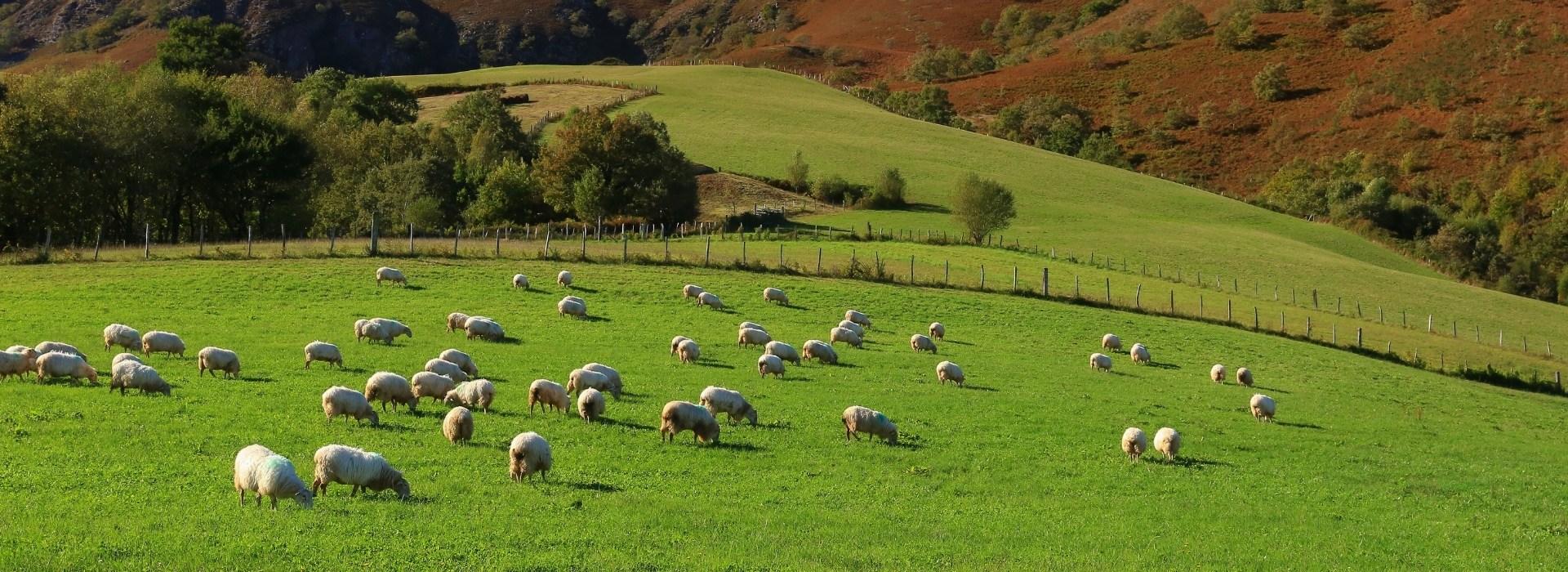
Take advantage of your visit to savor our sheep’s milk cheeses, local charcuterie and apple juice and cider. Seasonal fruit and vegetables are grown with respect for the environment, so you can rediscover the authentic taste that gives Basque cuisine its personality.
Family activities
For families, Sare offers a wide range of activities. The Etxola animal park, located 7 km from the village center in the direction of the caves, offers you the chance to discover, get up close to and stroke domestic animals from all over the world: buffaloes, dromedaries, ornamental poultry, four-horned sheep, zebus, llamas…
The Suhalmendi trail, a family walk up to the pass offering one of the finest panoramic views of the Basque Coast, introduces visitors to the Pie Noir breed of Basque pig on a trail of ten playful interpretation panels.